Civil Disobedience: Is it Wisdom or plain Disobedience?
Henry David Thoreau's
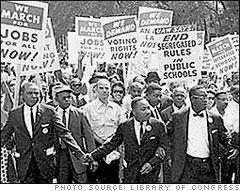
Civil Disobedience was very influential to people such as Martin Luther King Jr. and Gandhi, both of whom were revolutionary leaders. It basically said that, if you think a law is unfair, then you should not follow it. Of course, there have been laws in history that were unfair, like segregations laws and--to go back even further--slavery. However, not every law the government makes is unfair. In fact, most laws are very helpful and are made for a reason. So what Thoreau is suggesting is, whenever a person feels a law is unfair, they should simply not follow it. That could cause some major problems. Imagine this situation in the mind of a teenager who has to follow her parents rules. Perhaps she has a set curfew that her parents made, but the teenager doesn't find it very fair because she thinks she is responsible enough to be out late. If this teenager followed Thoreau's advice, she would ignore her parents rules and stay out as late as she wants. I'm sure we can all see that this would end badly. Even though this teenager thinks the curfew is unfair to her, she doesn't realize her parents are protecting her from things she doesn't understand, and therefore the curfew is a good thing for her. If every citizen just decided to not follow any law they thought was unfair, the country would be full of murderers and thiefs and lairs who would justify the crimes they commit by saying the laws aren't fair, and that would just be a mess!



No comments:
Post a Comment